“18 mm board” describes a thickness. It does not identify the material, its grade, the edge treatment or the evidence needed for your project.
Start with a written specification and an approved sample, then use visual checks to identify questions that need supporting documents.
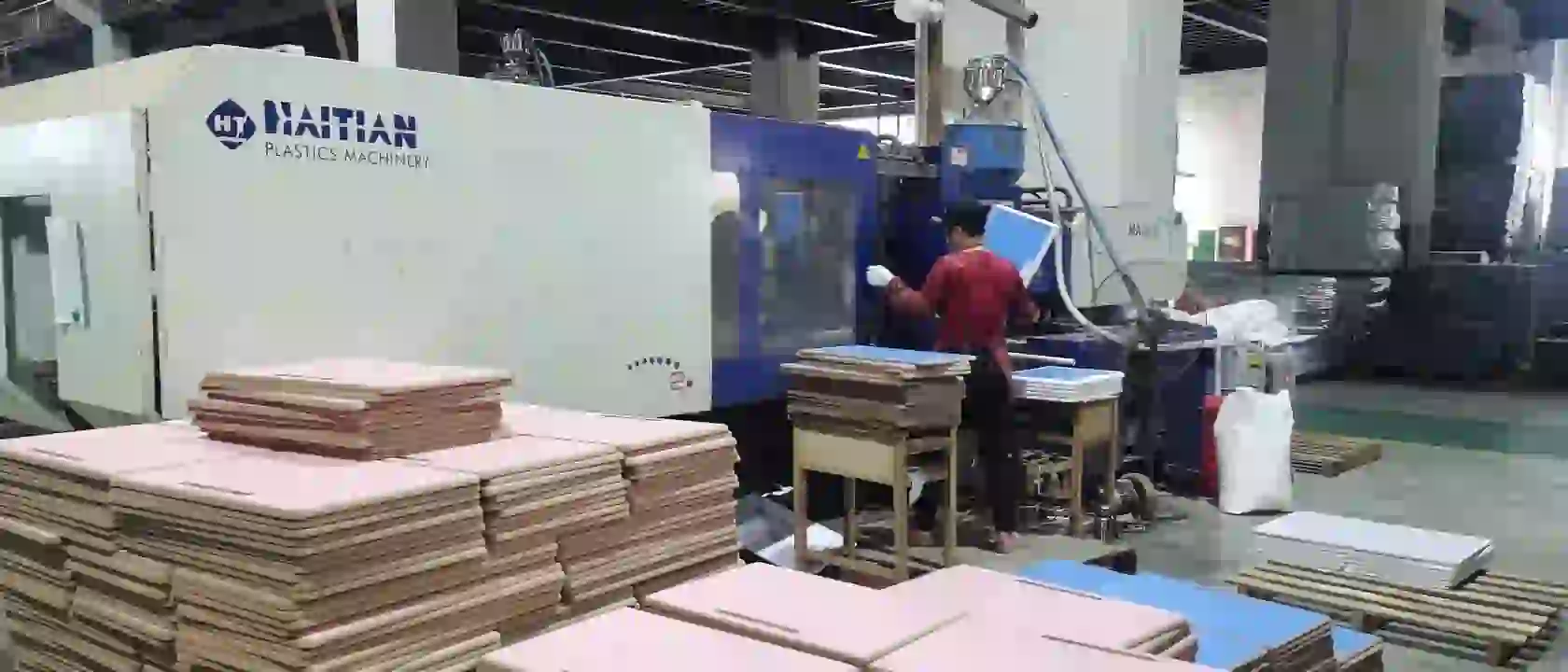
Identify the board before comparing prices
MDF is made from wood fibres bonded into a panel. Particleboard uses wood particles. Plywood is built from bonded veneer layers. Their construction can often be seen at an exposed cut edge, but a laminated face can make different boards look similar.
Performance also depends on grade, density, thickness, adhesive system, fasteners and processing. A material name alone does not establish screw retention, moisture resistance or service life.
| Board | What a cut edge may show | What still needs confirmation |
|---|---|---|
| MDF | Fine fibre structure | Grade, thickness, density and intended use |
| Particleboard | Visible particles of different sizes | Panel grade, surface layer and fastener specification |
| Plywood | Distinct veneer layers | Species, lay-up, bonding class and surface quality |
Ask for an offcut or a sample with an exposed edge if the material cannot be identified on the finished item. Treat appearance as a screening check, then compare it with the supplier's specification.
Check the edge as a separate component
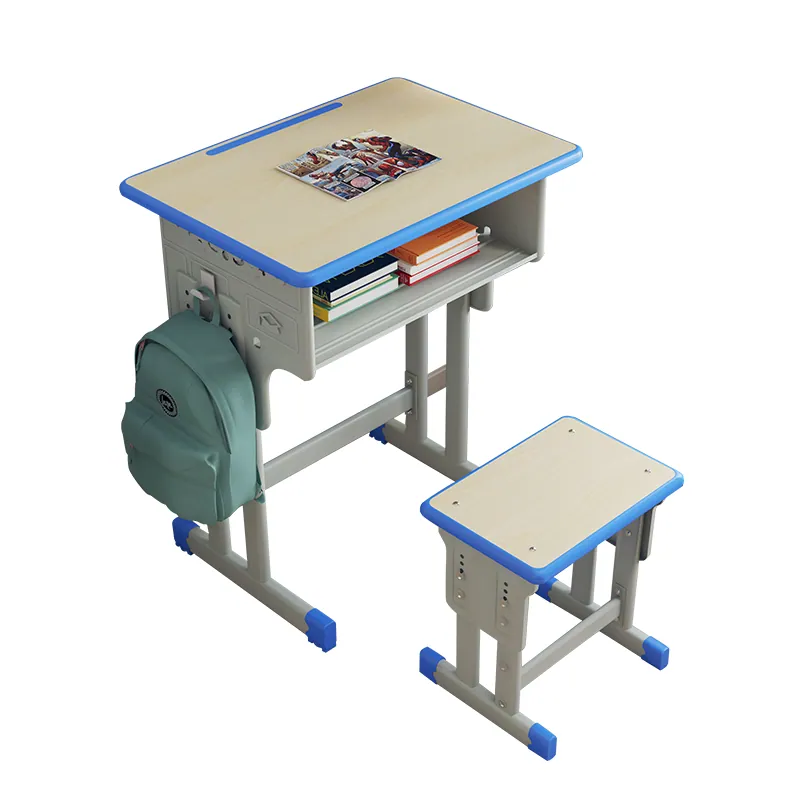
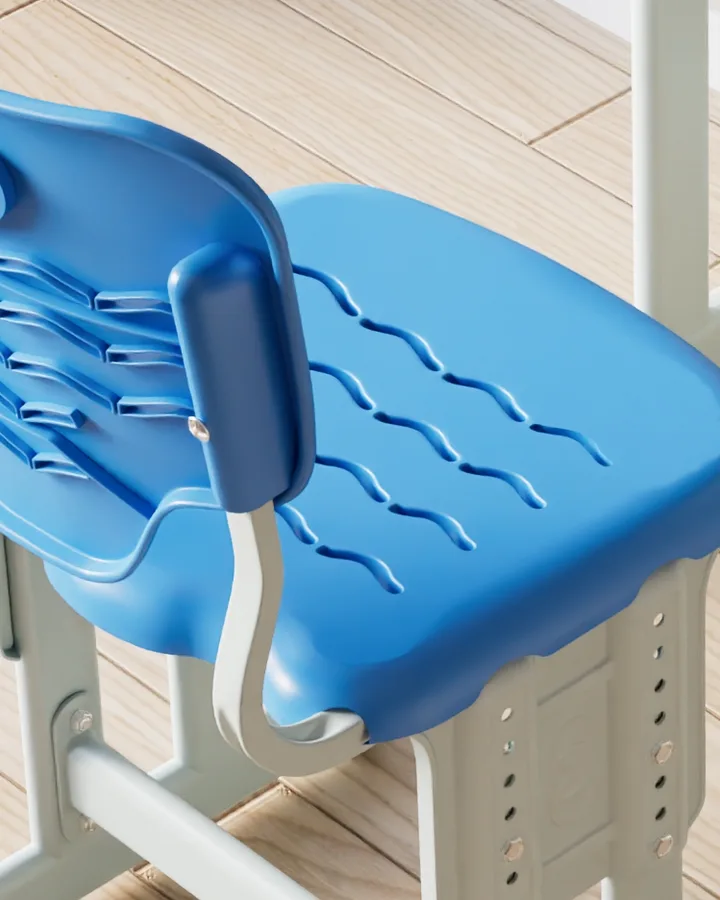
Record how the edge is protected: a bonded band, a moulded rim or another construction. Ask for the edge material, dimensions, corner treatment and repair approach.
At sample approval, look for gaps, lifted corners, sharp transitions and an uneven joint. A moulded rim and a bonded band have different production requirements; neither should be assumed to be waterproof or indestructible from a photograph.
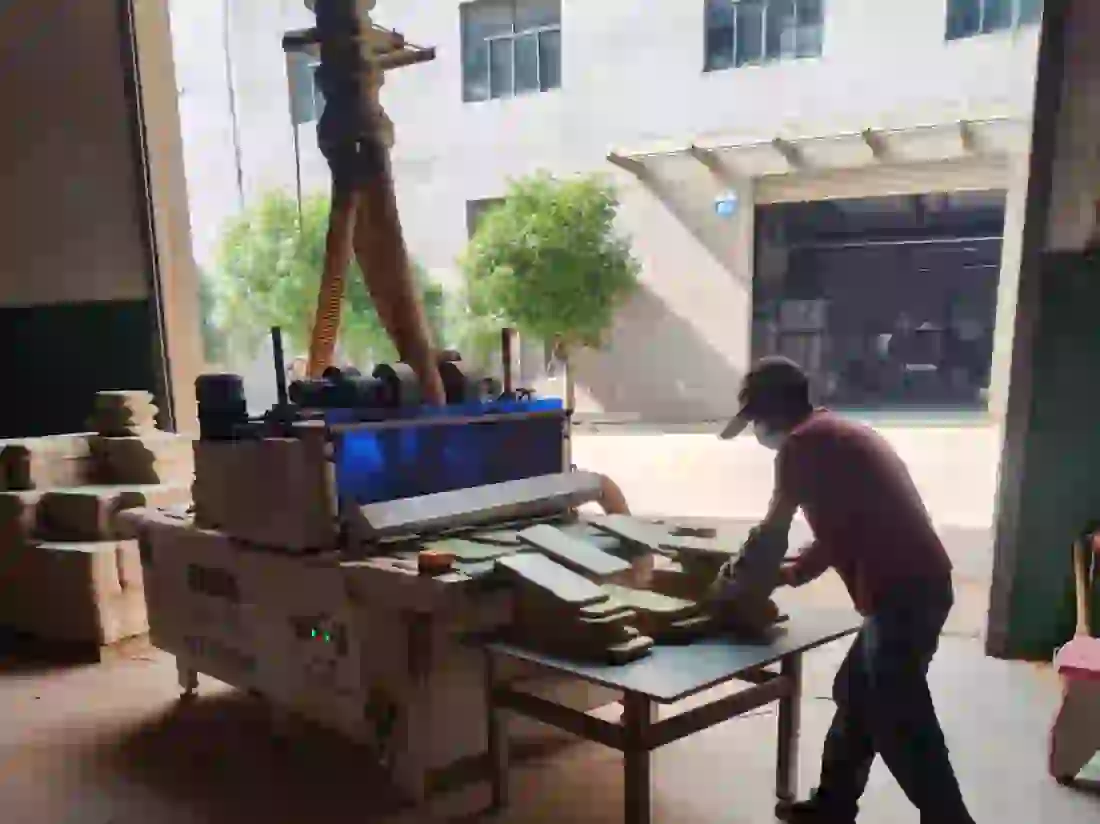
Four useful sample checks
- Compare the dimensions. Measure the locations and thicknesses named in the approved drawing. Check the edge treatment separately from the nominal panel thickness.
- Inspect accessible joints. Look for gaps, loose hardware and damage around fixing points. Ask for the specified fasteners and assembly instructions.
- Review cleaning instructions. Confirm which cleaning products and methods the supplier recommends. Do not infer moisture resistance from a quick water-drop test.
- Keep a reference. Label the approved sample or offcut with the model, date and quotation revision, and keep photographs of its face, edge and underside.
Removing screws repeatedly, soaking a finished unit or judging density by lifting it does not provide a dependable material classification. If a destructive or laboratory test is needed, agree the method, sample and acceptance criteria in advance.
Ask for evidence suited to the destination
For emissions, request the test method, result, tested material or product, report date and laboratory details. Terms such as “E0”, “E1” or “low emission” should be read with their underlying method and the requirements of the destination market.
For EU orders, review the applicable REACH restriction on formaldehyde emissions, including its scope, test conditions and exemptions. A board classification alone should not be treated as complete evidence for a finished furniture product.
For moisture-related performance, ask which panel grade is offered and which test supports the claimed result. “Moisture resistant” needs a defined application and evidence; it does not mean an unsealed cut edge can be left wet indefinitely.
Put the specification in the order
Record the board type and grade, nominal thickness, surface finish, edge construction, fixings and required reports for each model. List permitted substitutions explicitly. Keep the approved specification with the sample so receiving inspection has a clear reference.
The board is one part of the furniture. Frame construction, coating, joints, hardware and dimensions also matter. Our guide to EN 1729 size marks explains the questions to ask about matched desk and chair dimensions.
Send the model and destination requirements with your enquiry. We will confirm the proposed board specification and which supporting documents are available for that configuration.